
Checking Cook County Criminal History
Start a Cook County criminal history search by deciding what must be proved. A recent arrest calls for the arresting agency and Cook County jail. A filed felony belongs with the Clerk of Superior Court. A public Georgia felony-conviction search uses Georgia Felon Search, while a person reviewing a fuller fingerprint-supported history follows Georgia Bureau of Investigation procedures. These products overlap, but none replaces the others.
Gather the full legal name, date of birth when the official channel permits it, spelling variants, an approximate event date, and any case or incident number. Then compare identifiers and dispositions. Cook County criminal records can lag as the arresting agency, prosecutor, court, and Georgia Crime Information Center send updates at different stages.
- Identify whether the target is an incident report, booking, court case, conviction history, warrant, or custody record.
- Contact the agency that made or first received that Cook County record.
- Match the name with dates, agency, case number, and other lawful identifiers.
- Check the next office in the record flow for filed charges and the final disposition.
- Ask the clerk for a certified copy or use the official fingerprint channel when that level of proof is needed.
No One-Stop Cook Record Search
Cook County has no verified public portal that joins sheriff reports, jail bookings, every local court, GCIC entries, and state custody. That is not merely a web-design gap. Each office owns a different part of the event. The Cook County Sheriff's Office creates sheriff reports and jail intake data. Magistrate Court handles many warrant and first-appearance matters. Superior Court receives felony accusations or indictments and records their outcomes.
A blank result in one system proves little. It may mean the wrong office was searched, the name differs, the case has not reached that stage, electronic access is not offered, or the record is restricted. Use the official Cook County department directory to reach the right custodian. This phone-and-counter system is slower than a unified search, but it preserves the distinction between allegation, prosecution, and result.
Official Georgia Record Checks
The Georgia Bureau of Investigation's Georgia Crime Information Center is the central state repository. Under Georgia law, the public may request a defined felony-conviction product with a full name, race, sex, and date of birth. Georgia Felon Search is the referenced web route and charges a transaction fee, although the inspected official material did not publish a current amount.
A fingerprint-supported self-review is different. Begin through the Georgia Applicant Processing Service, or follow the appointment process for GCIC record inspection in Decatur. No permanent enrollment site inside Cook County was confirmed, so use the live appointment system. GBI guidance explains record contents, correction, consent, and dissemination limits.
Cook Court File Versus GCIC
Georgia Felon Search answers a narrow conviction question. A Cook County court file shows the life of a specific prosecution, including docket events, hearings, bond entries, pleadings, disposition, sentence, and financial entries when public. The two sources should not be described as duplicates.
The official Georgia E-Access directory shows why local court participation matters.
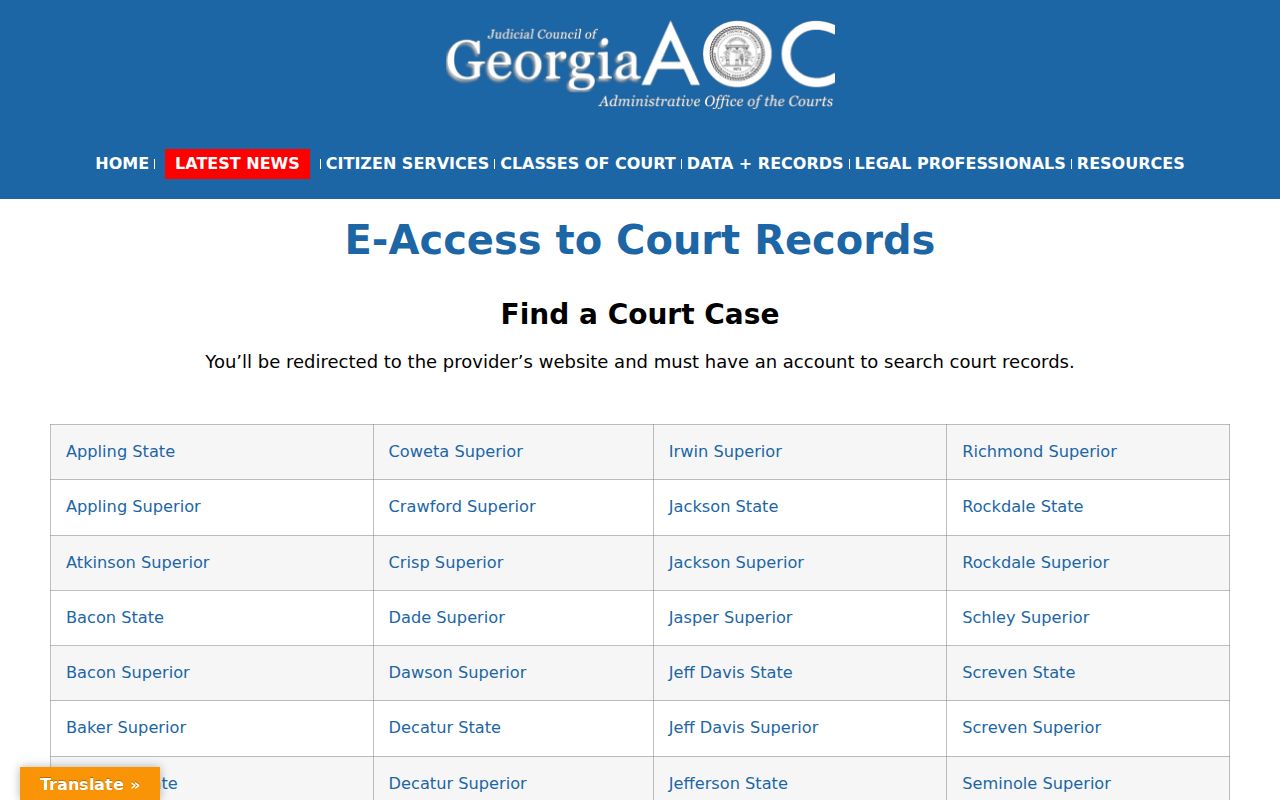
That directory points readers toward participating systems, but it is not one complete statewide criminal case search.
| Channel | Best use | Main limit |
|---|---|---|
| Georgia Felon Search | Public in-state felony-conviction search | Not a complete court docket or full fingerprint history |
| Cook Superior Court clerk | Filed felony case, disposition, and certified copy | Does not replace sheriff booking or every lower court |
| GCIC self-review | Reviewing a fingerprint-supported Georgia history | Separate inspection and challenge process |
When results conflict, use the Cook County court disposition as the source for what happened in that case and ask the reporting agency to transmit any missing correction to GCIC.
Cook County Criminal Record Types
One Cook County event can create several records. The holding office and legal meaning change at each step. A police narrative explains an agency response, a booking sheet documents intake, and a court file records prosecution. GCIC later assembles reportable arrest cycles and dispositions. Custody, supervision, and registry records remain separate.
- Arrest and booking records: the arresting agency holds its report, while the Cook County jail holds intake and custody facts.
- Criminal court files: the court that heard the matter keeps docket events, filed charges, hearings, and outcomes.
- GCIC histories: the state repository joins reported identity, arrest-cycle, disposition, and Georgia custody data.
- Warrants: the issuing court and executing agency control confirmation and public access.
- Custody and registry records: GDC, DCS, Paroles, the sheriff, and GBI each publish or hold different data.
Cook Records Cross Adel Counters
Cook County criminal records are physically split across Adel. The Superior Court clerk is at 212 N. Hutchinson Avenue and handles felony dockets, dispositions, copies, and certification. The current sheriff site lists the sheriff and jail at 3335 County Farm Road, while an older county directory gives 1000 County Farm Road. Call before travel because the official sources conflict. Magistrate Court remains listed at 1000 County Farm Road.
The official county contact matrix provides the local office routing shown here.
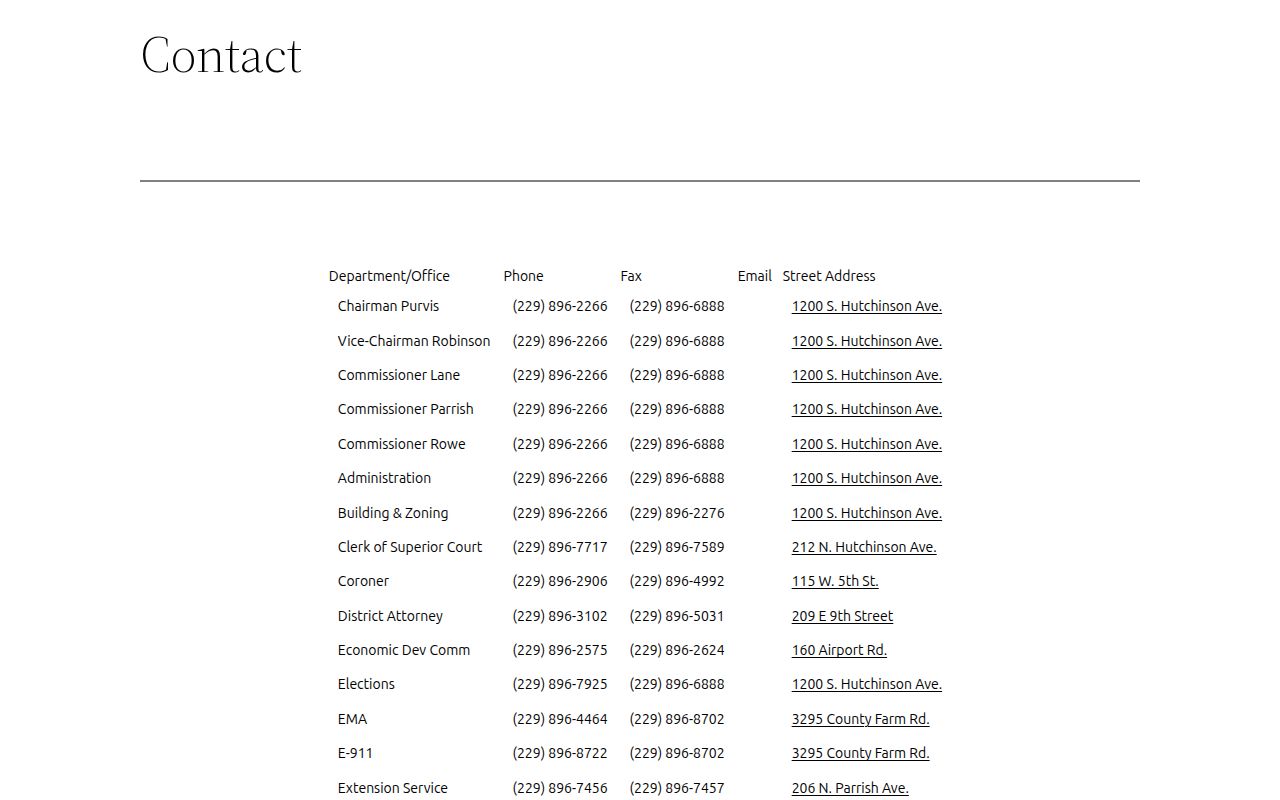
Use those listings as a starting point, then verify the sheriff's current street address before an in-person visit.
Superior Court Clerk
212 N. Hutchinson Ave.
Adel, GA 31620
229-896-7717
Felony files and certified copies
Cook Sheriff and Jail
3335 County Farm Road
Adel, GA 31620
229-896-7471
Reports, bookings, warrants, and custody
Magistrate Court
1000 County Farm Road
Adel, GA 31620
229-896-3151
Warrants and preliminary matters
The county does not publish complete lobby hours, copy fees, parking, or security instructions. Confirm the office, address, hours, and expected cost before visiting.
What Cook County Records Show
The fields depend on the source. GCIC describes identity data, arresting agency, arrest date, charges, final judicial dispositions, and reported Georgia correctional custody. Public versions omit protected identifiers. A Cook County court file adds its case number, filing date, judge, attorneys, docket activity, bond, fines, and sentence. A booking sheet focuses on intake time, booking number, arresting agency, initial charges, bond, and present custody.
| Name & Identifiers | Name, birth data, physical descriptors, and agency identifiers, with sensitive data withheld from public display. |
|---|---|
| Arrest / Booking Data | Agency, date, intake charges, booking number, bond, and custody details. |
| Charges & Statutes | The alleged or filed offense and its legal citation, which may change after intake. |
| Disposition | Dismissal, plea, verdict, acquittal, nolle prosequi, or another recorded result. |
| Sentence | Custody, probation, fines, costs, restitution, and concurrent or consecutive terms where ordered. |
| Custody / Supervision Status | County jail, GDC custody, DCS supervision, or parole data from the responsible office. |
Cook Booking Charges Can Change
An intake charge is an allegation recorded when a person enters custody. It does not establish guilt and may not match the prosecutor's accusation, a grand jury indictment, or the court's final disposition. Cook County criminal history work should trace the full sequence: arrest, booking, prosecutor review, filed case, plea or trial, sentence, and disposition reporting.
- Disposition
- The recorded outcome of a charge.
- Nolle prosequi
- A prosecutor's decision not to continue that charge.
- No bill
- A grand jury decision not to indict.
- Dead docket
- A charge postponed without a final dismissal.
- First offender
- A Georgia route that may lead to exoneration after successful completion.
Read each charge line separately. A case may contain a mix of convictions, dismissals, and amended counts. The court file supplies context that a booking entry cannot.
Cook Criminal Record Access Laws
The Georgia Open Records Act favors inspection and copying of public agency records, subject to specific exemptions and a three-business-day response framework. GCIC information follows separate dissemination rules, while court access never turns a sealed, juvenile, victim-sensitive, or confidential document into a public record. Ask narrowly, request electronic delivery, and invite a fee estimate.
Key Statutes:
O.C.G.A. §§ 50-18-70 through 77 establish Georgia's public-record framework and lawful exemptions.
O.C.G.A. § 35-3-34 governs GCIC dissemination, including defined public felony-conviction access.
O.C.G.A. § 35-3-37 governs restriction of qualifying arrest information.
O.C.G.A. § 42-1-12 establishes registry duties and public notification.
Cook Sheriff Request Fallback
No county-wide report portal was verified. For a sheriff-created incident or booking record, use the Cook County Sheriff's Office counter or phone and submit a focused written request when directed. The county open-records request form asks for requester contact details, a clear description, preferred delivery, and fee acknowledgment.
The county forms directory also groups court and public-request resources.
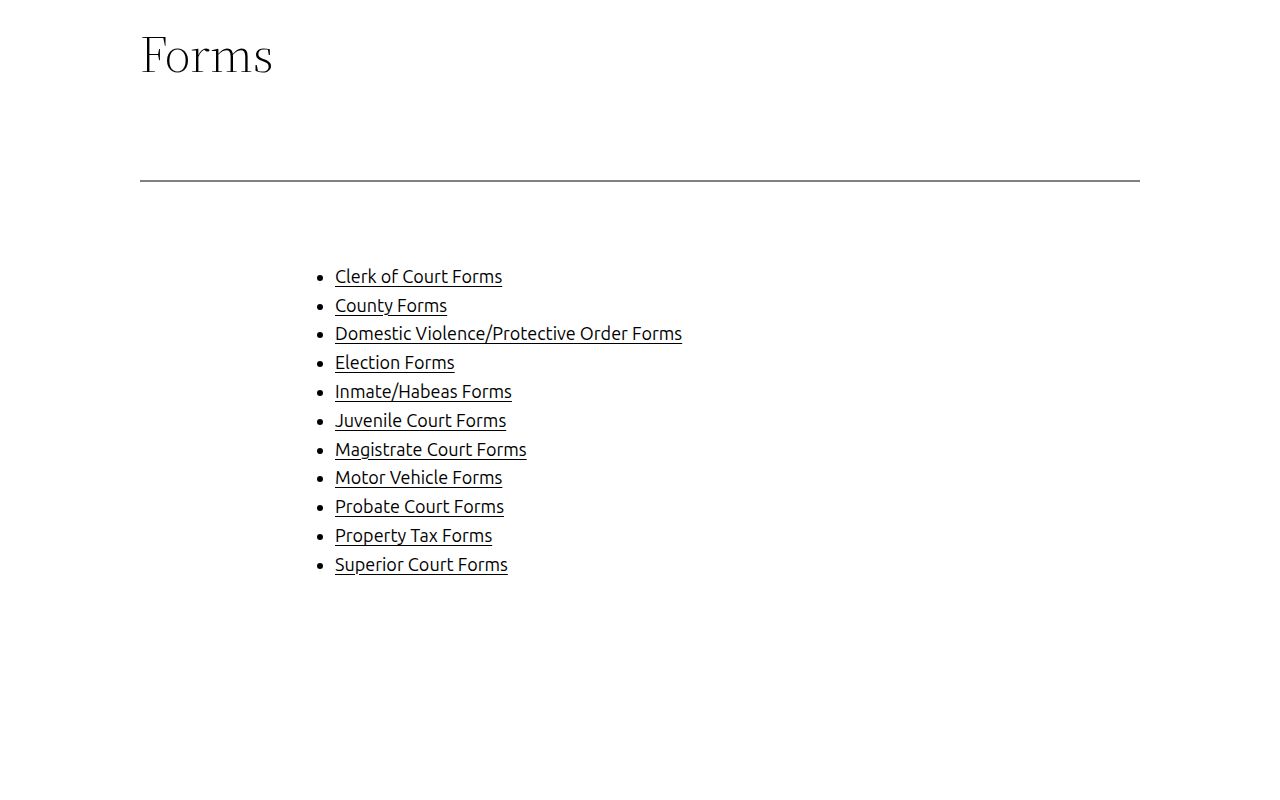
It is a document gateway, not a searchable Cook County criminal history database.
Include the incident number if known, event date and location, agency, report type, and a narrow date range. Ask for electronic copies, an estimate before costs accrue, and the legal reason for any withheld part. Active investigations, victim data, juvenile material, body-camera footage, and protected identifiers may require redaction or may be exempt. The three-business-day rule concerns the agency's response, not a promise that every record will be produced in three days.
Restricted Cook County Criminal Records
Georgia uses the term record restriction. It limits noncriminal-justice dissemination of a qualifying arrest cycle rather than destroying every file. A related court-sealing step may be needed, and First Offender Act outcomes follow their own rules. Juvenile and sealed material also has separate access limits.
The arrest date controls the starting route. For an arrest before July 1, 2013, the applicant generally starts with the arresting agency. For a later arrest, the prosecuting attorney handles the restriction decision in the covered process. The Georgia record-restriction overview and GBI forms describe the steps. If a final result is missing, obtain the disposition from the Cook County clerk first and then pursue GCIC correction.
Cook Jail Is Not GDC
Call the Cook County jail for present local custody because no official public county roster was verified. The current sheriff site lists 229-896-7471, extension 2, as available around the clock. Ask with a full legal name and, when appropriate, a birth date or booking date. Confirm visitation, mail, deposits, and phone vendors directly because the official pages do not publish those details.
The official Cook County sheriff page describes the local law-enforcement and jail role.

Its role statement supports the local custody route, but it does not provide a public booking roster.
GDC Find an Offender covers state-sentenced custody, not Cook County jail intake. A result may show a GDC identifier, physical description, status, location, offense, and sentence-related dates. It will not supply the county booking number, bond, intake image, or jail unit. VINELink may supplement custody notifications where available, but it is not a court disposition source.
The official GDC locator interface illustrates the separate state-custody search.
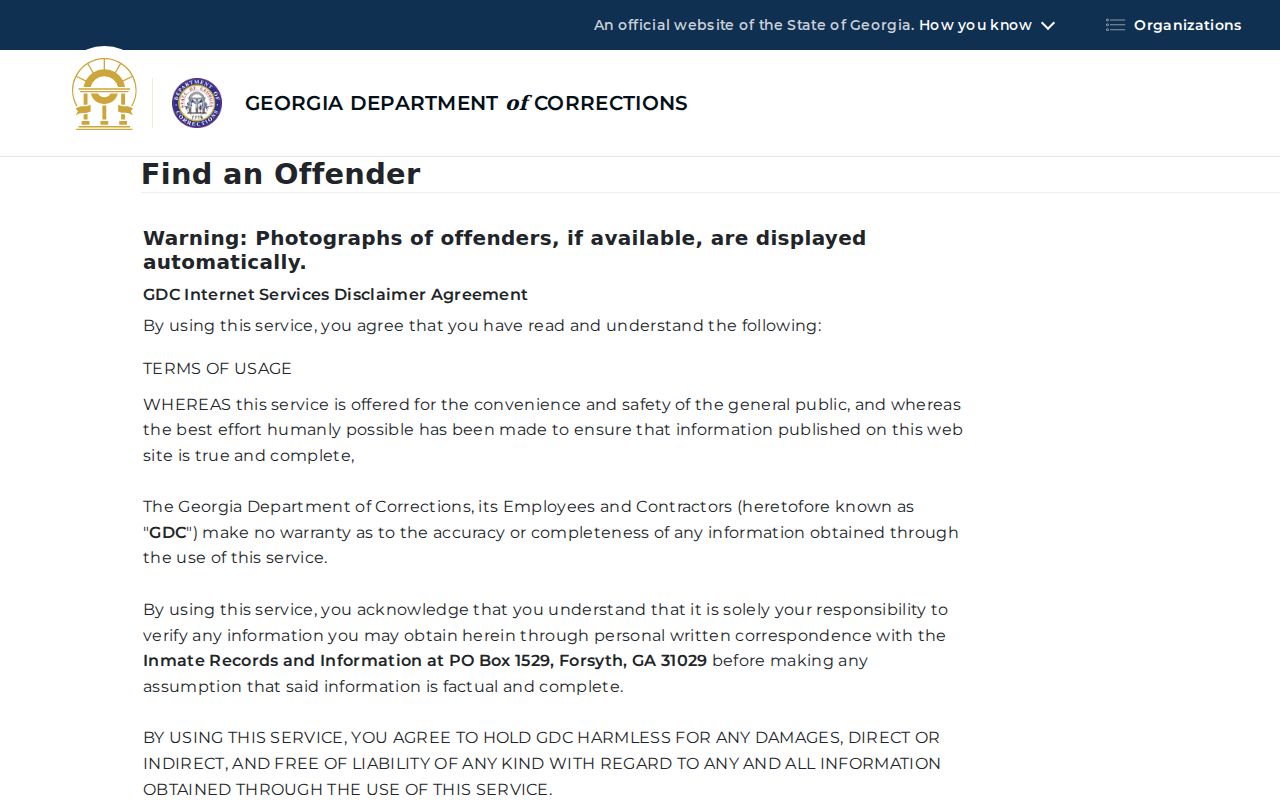
A GDC result should be read as a state-custody record, not a Cook County booking sheet.
Cook County Criminal Records by City
Adel, Sparks, and Lenox are Cook County's three largest incorporated cities in the research ranking. City police or the agency handling an event keeps its own incident report. Municipal courts keep city citation and ordinance files, while custodial bookings and felony cases move into county channels. Start locally, then follow the record to the Cook sheriff or clerk.
The Cook County government homepage supplies local context and routes readers to county departments.

City records still begin with the city or handling police agency when the event did not originate with the county.
Adel Criminal Records
5,571 in the 2020 Census · APD reports and Adel Municipal Court records begin with city channels.
Sparks Criminal Records
About 2,043 in the 2020 Census · verify the handling agency, then use county booking and felony offices.
Lenox Criminal Records
752 in the 2020 Census · written city requests supplement sheriff and Superior Court sources.
From Fingerprints to Cook Disposition
A Cook County arrest starts an arrest cycle, but the complete record takes time. The arresting officer writes the report. Jail staff create intake data, take fingerprints, and attach a transaction control number. The prosecutor then decides what to file, and the proper court records the case. After the final outcome, the court and other criminal-justice agencies report the disposition toward GCIC.
The county department index makes the fragmented local record flow visible.
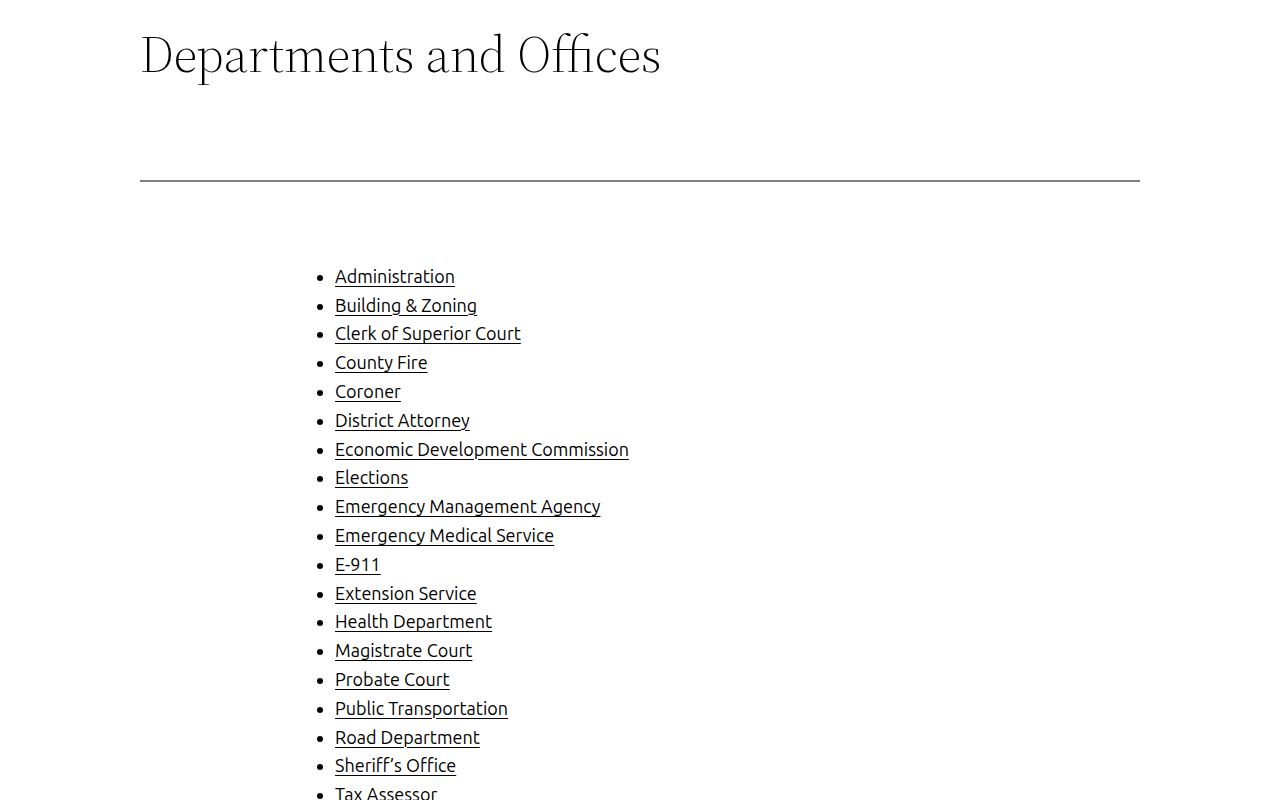
Separate office entries reflect separate custodians rather than a consolidated county record.
Record flow: incident or arrest → Cook booking → prosecutor review → court filing → disposition and sentence → GCIC update.
If the GCIC entry lacks a result or shows the wrong one, contact the Cook County court that decided the charge. Obtain proof of the correct disposition and follow the GBI challenge instructions. Changing a court source and changing repository dissemination are related tasks, but they are not the same request.
Federal Records Outside Cook County
A clean Cook County search does not rule out a federal matter. Cook County lies in the Middle District of Georgia's Valdosta Division. PACER is the official federal docket and document system. Its published rate is ten cents per page, usually capped at three dollars for one document or report, with quarterly charges of thirty dollars or less waived.
For a separate public-safety record, the Georgia Sex Offender Registry remains a distinct GBI system.
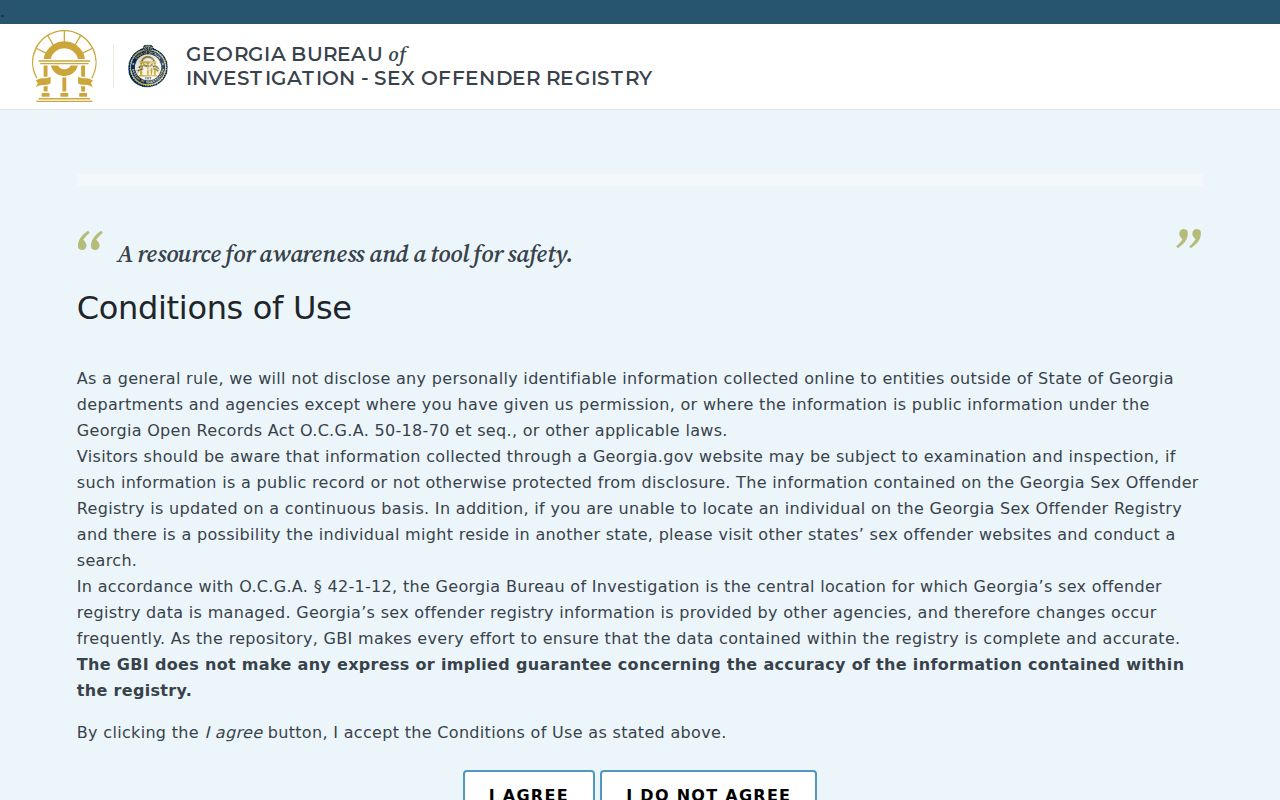
Registry status should never be treated as a substitute for a Cook County court docket or federal case search.
The federal courthouse is at 401 N. Patterson Street in Valdosta and can be reached at 229-242-3616. Federal imprisonment appears through the Bureau of Prisons locator, not GDC. A person seeking an FBI Identity History Summary uses the FBI's fingerprint-based subject request through its electronic portal. These federal channels should be checked only when the event, charge, custody, or personal record review calls for them.